October 23, 2026

Perfect storm – Wildfire risk elevated
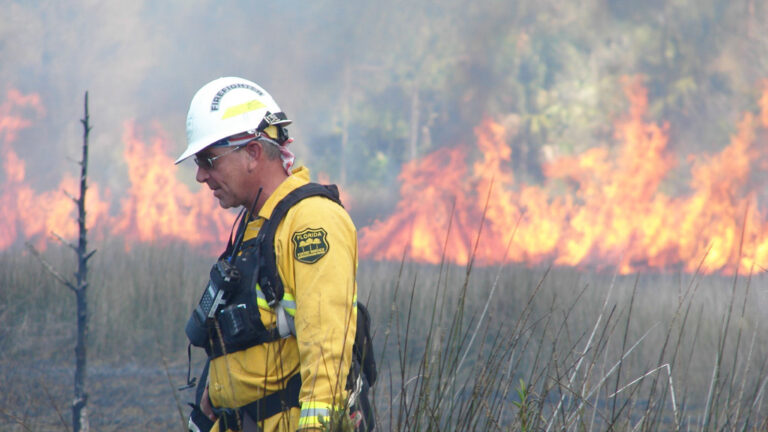
An unusually hot summer, a significant drought and damage dating back to last year’s ice event could form a perfect storm this fall when it comes to wildfires in the south, according to a report released by the Southern Group of State Foresters.
According to the assessment, prolonged drought has left soils and forest fuels (i.e. dry or flammable vegetation and debris) exceptionally dry in many areas, contributing to increased wildfire intensity and more challenging suppression conditions. While recent rainfall has provided some relief in portions of the region, underlying drought conditions remain a concern as the South enters its traditional fall period of increased wildfire activity.
“The recent rainfall is welcome, but it certainly won’t erase the months of persistent drought,” said Jim Prevette, Fire Director for the Southern Group of State Foresters. “We have to look beyond current conditions to anticipate where additional firefighting personnel and equipment might be needed, and how moving those resources could affect wildfire preparedness elsewhere in the region. With drought affecting multiple states, understanding those potential demands ahead of time is critical to ensuring we have the resources available where they’re needed most.”
A devastating ice storm this past January that stretched from north Texas to Tennessee caused significant amounts of tree damage in both pine and hardwood forests along the path of the storm. The impact was especially severe in central Mississippi and into west and middle Tennessee. Most of the debris caused by the storm is still on the ground and has had nine months to cure and become available to contribute to fire intensity.
Increased fire behavior has been observed on fires occurring within ice damaged areas in recent months, specifically in Mississippi and Tennessee. It should be expected that if dry weather continues to persist in these areas, increased fire intensity is likely with any ignitions that occur inside ice damaged areas. Resistance to control will be higher, especially if fire spread is occurring in pine fuel where downed limbs and tops still retain brown pine needles.
Until such time as the impacts from El Niño begin to be felt, it is likely that significant areas of the region will continue to see elevated fire danger, even when recent precipitation and heavy rainfall from Isaias is considered. The later that El Niño impacts develop, the more time available for fire danger to increase during critical periods such as leaf fall in the Southern Appalachians.
Locally, the Lakeway Middle Tennessee coverage area including Coffee, Moore, Marion, Lincoln, Grundy and Franklin counties remain under severe drought with areas like Bedford County and Marshall County being under extreme drought even when the remnants of Hurricane Isaias are considered.
As such the state has enacted a requirement for all those burning to acquire burning permits. There may be other restrictions within municipalities.