EMS urges familiarity with AEDs

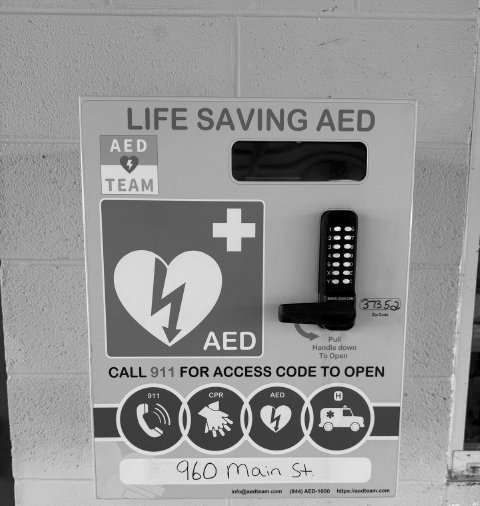
As warm weather returns and baseball and softball seasons get underway at Lynchburg Park, Moore County EMS wants to remind players, coaches, families, and spectators of a critical life-saving resource available on-site: an Automated External Defibrillator (AED) located at the park’s concession stand.

In the event of a cardiac emergency, every second counts. Bystanders are urged to call 911 immediately to notify emergency services and gain access to the AED. Emergency dispatchers can guide callers through the steps of retrieving and using the device until first responders arrive.

IN A CARDIAC EMERGENCY:

1. Call 911 immediately 2. Begin CPR 3. Retrieve the AED 4. Use the AED — follow the voice prompts Cardiac Arrest and Sports: What You Need to Know According to the American Heart Association (AHA), sudden cardiac arrest (SCA) is one of the leading medical causes of death among athletes. Unlike a heart attack caused by a blockage, SCA is an electrical malfunction of the heart that causes it to stop beating suddenly and without warning. Victims lose consciousness within seconds and will die without immediate intervention.

Key facts from the AHA:

• More than 420,000 Americans experience an out-of-hospital sudden cardiac arrest every year, with approximately 90% fatality if untreated.

• SCA can occur in athletes of any age, including youth, and is often caused by underlying undiagnosed heart conditions.

• Sports- related SCA accounts for a signifi cant percentage of cardiac events among individuals under 18 years old and is more likely to occur during practice than games.

• When an on-site AED was used, survival rates reached as high as 89%. The combination of calling 911, starting CPR immediately, and using an AED dramatically increases the chance of survival.

• For every minute without defibrillation, survival odds decrease by approximately 10%. Rapid response is essential.

AEDs are designed for use by ordinary bystanders — no medical training is required. The device delivers voice-guided instructions and automatically analyzes heart rhythm before delivering a shock if needed.

Moore County EMS oversees the AED program throughout the county, ensuring devices are properly maintained, registered, and accessible in key public locations. The AED at Lynchburg Park is one component of this ongoing community safety effort.

Moore County EMS also provides CPR and AED training to the public. Whether you are a coach, athletic director, parent, or community member, getting trained puts lifesaving skills in your hands. The AHA recommends that everyone in a sports environment — including coaches and volunteers — be trained in CPR and AED use.

Moore County EMS encourages all coaches, athletic directors, and park users to familiarize themselves with the location of the AED before the season begins. Taking a few moments now to locate the device could mean the difference between life and death when it matters most.

For more information about the Moore County EMS AED program or to schedule training for your organization, please call (931) 759-7323 or email training@metromoorecounty. org. Click on the above link or scan the QR code.